
Top 5 Questions About Commercial Milkshake Machines
Milkshakes and other frozen treats can be valuable menu additions for restaurants, cafés, ice cream shops, quick-service concepts, and other foodservice businesses. Producing them consistently, however, requires equipment suited to the demands of a commercial operation.
A commercial milkshake machine is designed to help operators prepare milkshakes and similar frozen treats efficiently while standing up to repeated use. Choosing the right equipment means looking beyond the finished drink and considering performance, capacity, durability, cleaning, maintenance, and how well the machine fits the operation’s menu and workflow.
Understanding these factors can help operators select equipment that supports consistent results and efficient service.
Key takeaways
- Commercial milkshake machines are built for the repeated use and operational demands of foodservice environments.
- Motor performance, capacity, construction, cleaning requirements, and configuration are important considerations when comparing equipment.
- The right capacity depends on expected order volume, menu complexity, service periods, and workflow.
- Long-term value depends on more than initial cost. Reliability, maintenance needs, ease of use, and fit with the menu all influence the value equipment provides over time.
What is a commercial milkshake machine?
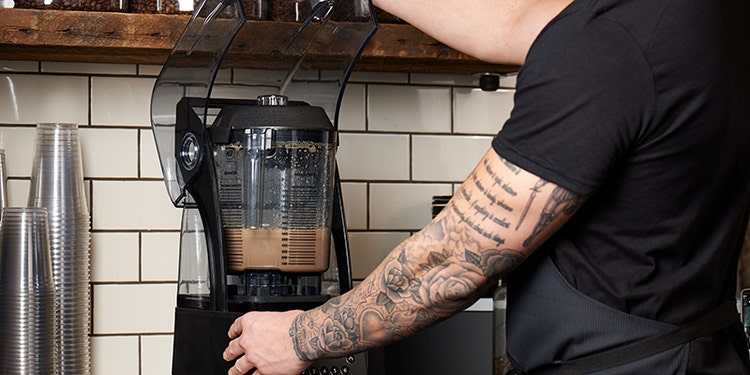
A commercial milkshake machine is foodservice equipment designed to mix milkshakes and other compatible frozen treats. Depending on the equipment design, ingredients are placed in a cup or container and mixed until they reach the desired consistency.
For operators, the primary advantage of commercial equipment is its ability to support a repeatable preparation process within a working foodservice environment. A machine should fit naturally into the operation’s workflow while helping employees produce menu items efficiently and consistently.
How commercial milkshake machines differ from residential mixers
Commercial milkshake machines and residential mixers may perform similar basic functions, but they are intended for different operating environments.
Residential equipment is generally designed around household use. Commercial equipment must accommodate the more demanding conditions found in restaurants and other foodservice businesses, where a machine may be used repeatedly throughout a shift and where speed, durability, sanitation, and ease of maintenance can directly affect operations.
Commercial equipment may also offer configurations better suited to foodservice production, including options designed to support multiple orders or different preparation requirements. When evaluating equipment, operators should consider whether its construction and intended use align with their expected volume rather than choosing solely on the basis of appearance or initial price.
Common applications in foodservice operations
Commercial milkshake machines are most closely associated with traditional milkshakes, but they can support a broader frozen-treat menu when the equipment is appropriate for the recipe.
Restaurants and quick-service operations may use them for signature shakes, limited-time flavors, or desserts that complement the core menu. Ice cream and frozen dessert concepts may rely on them as part of everyday production, while cafés and other beverage-focused businesses can use frozen treats to broaden their offerings.
The most useful equipment is ultimately equipment that matches the operation. Menu, ingredient types, available workspace, order volume, and service model should all influence the decision.
1. What should you look for in a commercial milkshake machine?
A commercial milkshake machine should be evaluated as part of the overall foodservice workflow. Performance matters, but so do durability, cleaning requirements, configuration, and ease of operation.
The best choice is generally the machine that can handle the products an operation intends to serve at the frequency it expects to serve them without creating unnecessary complexity for employees.
Motor power and performance
Motor performance affects how effectively a machine can process the ingredients used in an operation’s recipes. Rather than evaluating power as an isolated specification, operators should consider the relationship between the machine and the products it will be expected to prepare.
Thick frozen ingredients and demanding recipes can place different requirements on equipment than thinner mixtures. Consistent performance is particularly important when employees need to reproduce the same menu item throughout a busy service period.
Operators should review manufacturer specifications and intended applications when determining whether a machine is appropriate for their recipes and anticipated workload.
Single-spindle vs. multi-spindle models
A single-spindle machine provides one mixing station, while a multi-spindle configuration allows more than one product to be mixed at a time.
A single-spindle model may be appropriate for operations with moderate milkshake demand, limited counter space, or a menu where frozen treats represent a relatively small share of orders. Multi-spindle equipment may be useful when multiple orders need to move through the station simultaneously.
The decision should reflect actual workflow. Adding mixing stations can increase production flexibility, but equipment should still fit the available workspace and expected demand.
Durability and construction
Commercial foodservice equipment operates in an environment where frequent use, cleaning, spills, and employee changeovers are normal. Construction therefore deserves careful consideration.
Operators should look for equipment designed specifically for commercial applications and evaluate the materials, controls, mixing components, and other frequently handled parts. Areas exposed to ingredients should also be practical to clean as part of routine sanitation procedures.
Durability has implications beyond equipment lifespan. A dependable machine can also help reduce workflow disruptions caused by equipment that is difficult to operate or maintain.
Ease of cleaning and maintenance
Cleaning is a recurring operational task, so equipment design can have a meaningful effect on labor and workflow. Operators should examine how employees access and clean components that regularly come into contact with ingredients.
Simple cleaning procedures can make it easier to incorporate sanitation into daily routines. Operators should also consider the manufacturer’s recommended maintenance procedures, since appropriate maintenance can help equipment continue performing as intended.
2. How much capacity does a commercial milkshake machine need?
There is no single capacity requirement that applies to every foodservice business. The appropriate capacity depends on how many frozen treats the operation expects to sell, how concentrated that demand is during peak periods, and how the preparation station fits into the broader service workflow.
An operation that sells occasional milkshakes has different needs from one where frozen treats are a major menu category.
Choosing the right size for your operation
Start with expected demand. Operators should consider both average sales and peak periods, since a machine that performs adequately during slower hours may become a bottleneck when several milkshake orders arrive at once.
Menu complexity also matters. An operation offering only a few straightforward recipes may have different production requirements than one offering numerous flavors, mix-ins, or customized frozen treats.
Physical space is another consideration. Equipment needs to fit the available counter or preparation area without interfering with neighboring stations. The goal is to balance production requirements with an efficient use of workspace.
Considerations for high-volume environments
In high-volume environments, capacity is closely connected to throughput. Operators need to consider how quickly employees can move from one order to the next, including ingredient preparation, mixing, finishing, and cleaning between products when required.
Multiple mixing stations may help some operations manage simultaneous orders. High-volume businesses should also consider staffing and station layout. Increasing equipment capacity provides the greatest benefit when employees can use that capacity efficiently.
Peak demand is often the more useful planning measure. Understanding what happens during the busiest service periods can reveal whether a proposed setup provides enough production flexibility.
3. How easy is it to clean a commercial milkshake machine?
Cleaning requirements vary by machine, so operators should follow the procedures provided by the equipment manufacturer. In general, ease of cleaning should be treated as a core purchasing consideration rather than an afterthought.
Milkshake ingredients can leave residue on components and surrounding surfaces. Equipment that employees can clean efficiently may make it easier to maintain established sanitation routines throughout the day and at closing.
Features that simplify cleaning
When comparing machines, examine the components that employees will need to clean most frequently. Accessible surfaces and components that can be handled according to straightforward manufacturer procedures can help simplify routine cleaning.
The preparation area around the machine matters as well. A practical station layout should give employees enough room to work around the equipment and address spills or ingredient residue without unnecessarily disrupting service.
Before purchasing a machine, reviewing its operating and cleaning instructions can provide a more realistic understanding of the labor involved in everyday use.
Best practices for daily maintenance
Operators should always follow the manufacturer’s cleaning and maintenance instructions for the specific equipment they use.
Daily routines may include cleaning food-contact components, wiping appropriate exterior surfaces, inspecting commonly used parts, and making sure the machine is ready for the next service period. Employees responsible for the station should understand the required procedures and perform them consistently.
Regular inspection can also help teams identify wear or other issues before they create larger operational problems. Any servicing or component replacement should follow the manufacturer’s recommendations.
4. How long do commercial milkshake machines last?
There is no universal lifespan for a commercial milkshake machine. Service life depends on equipment design, frequency and intensity of use, operating practices, cleaning, maintenance, and the conditions in which the machine is used.
For that reason, operators should be cautious about relying on a single lifespan estimate when comparing equipment. A more useful approach is to evaluate whether a machine is designed for the expected workload and whether the operation can follow the recommended maintenance requirements.
Factors that impact equipment lifespan
Usage patterns can have a significant effect on equipment over time. A machine producing frozen treats continuously during busy service periods experiences different demands from one used only occasionally.
Cleaning and maintenance practices also matter. Following manufacturer guidance can help equipment continue operating as intended, while neglected maintenance may contribute to avoidable wear or performance issues.
Ingredient types, employee handling, station conditions, and whether the machine is being used for its intended applications can also affect long-term performance.
Maintenance tips to extend performance
Consistent maintenance begins with the manufacturer’s instructions. Operators should establish cleaning and inspection routines appropriate for the machine and ensure employees understand how to use the equipment correctly.
Teams should address signs of wear or changes in performance promptly rather than waiting for a larger problem to develop. When replacement parts or service are needed, operators should follow manufacturer guidance.
Documented procedures can be especially useful in operations with multiple employees using the same equipment. Clear routines help make proper use and maintenance part of normal station management.
5. How do you choose the best commercial milkshake machine for your business?
The best commercial milkshake machine is the one that fits the operation’s menu, expected volume, workflow, available space, and long-term equipment requirements.
Rather than evaluating a machine on one specification, consider how all of these factors work together. Vitamix Commercial offers equipment for foodservice applications, including solutions for food preparation and frozen treats. Operators can explore relevant commercial products when comparing equipment for their specific application.
Matching equipment to your menu
Start with what the operation plans to serve. Consider the ingredients used in each recipe, desired finished consistency, portioning process, customization options, and expected number of orders.
An operation built around a substantial frozen-treat menu may prioritize throughput and production flexibility. A restaurant where milkshakes are a smaller complementary category may prioritize a compact footprint and straightforward operation.
Future menu plans are worth considering as well. Equipment that suits both current needs and realistic menu development can provide greater flexibility as the operation evolves.
Evaluating long-term value and reliability
Purchase price is only one part of equipment value. Operators should also consider expected usage, reliability, cleaning requirements, maintenance, ease of operation, and the potential impact of equipment downtime.
Labor is part of that calculation. Equipment that fits naturally into an existing workflow and can be cleaned and operated efficiently may offer practical advantages over equipment that creates additional steps.
Manufacturer support and the availability of appropriate service information should also factor into the decision. The objective is to choose equipment that can reliably support the operation’s menu and service requirements over time.
Why foodservice operators trust commercial milkshake machines for consistent results
A well-chosen commercial milkshake machine can give foodservice teams a repeatable process for preparing milkshakes and other compatible frozen treats. For operators, consistency matters across several dimensions: product quality, preparation workflow, employee training, and the customer experience.
Choosing equipment begins with understanding the operation itself. Menu requirements, peak demand, workspace, cleaning procedures, and expected frequency of use should guide the decision. Motor performance, machine configuration, construction, and maintenance requirements can then be evaluated against those needs.
Operators exploring equipment for food preparation and frozen treats can review Vitamix Commercial products to compare options suited to commercial foodservice applications.
Frequently asked questions about commercial milkshake machines
What is the difference between a milkshake machine and a blender?
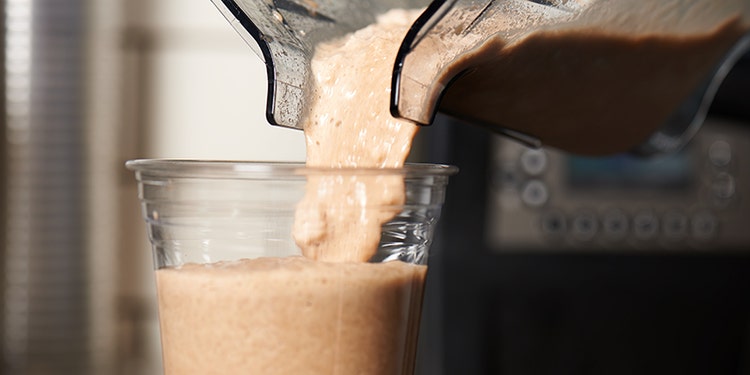
A milkshake machine typically mixes ingredients using a spindle or agitator inserted into a cup or container. A blender uses blades inside a blending container to process ingredients.
Those different designs can make the equipment suitable for different applications. Commercial blenders can support a broad range of beverage and food-preparation tasks depending on the model, while dedicated milkshake equipment is designed around mixing shakes and compatible frozen treats. Operators should choose equipment based on their recipes, ingredients, desired texture, volume, and workflow.
Can a commercial milkshake machine be used for other beverages?
Potentially, depending on the machine and the product being prepared. Some equipment may be appropriate for other frozen treats or compatible beverage recipes.
Operators should verify the manufacturer’s intended applications before expanding beyond traditional milkshakes. Ingredients and recipes can create different equipment demands, so suitability should be determined using the specifications and operating guidance for the individual machine.
How many milkshakes can a commercial milkshake machine make per hour?
There is no single hourly production figure that applies to all commercial milkshake machines. Throughput depends on the specific equipment, number of mixing stations, recipe, preparation time, employee workflow, and other operational factors.
Operators comparing machines should use manufacturer-provided performance information for the models they are considering and evaluate that information against expected peak demand. This provides a more useful basis for planning than applying a general industry estimate to every machine.
Are commercial milkshake machines suitable for high-volume operations?
Commercial milkshake machines can be appropriate for high-volume foodservice operations when the equipment is designed for the required workload and the overall station is configured to support demand.
Operators should consider more than machine capacity. Number of mixing stations, preparation workflow, employee staffing, cleaning requirements, menu complexity, and peak order patterns can all affect throughput. Evaluating these factors together helps determine whether a particular commercial milkshake machine is appropriate for a high-volume environment.