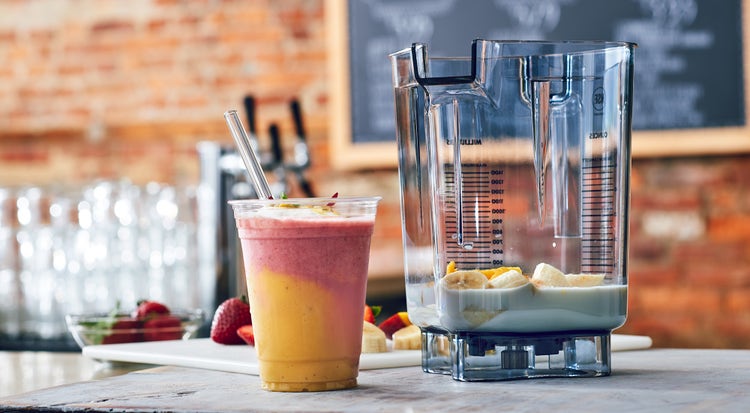
How to Open a Smoothie Shop: Equipment & Menu Planning Guide
Opening a smoothie shop requires more than developing appealing recipes. A successful concept depends on a practical business plan, appropriate commercial equipment, disciplined menu costing, efficient workflows, reliable ingredient management, and a launch strategy that brings customers through the door.
Equipment and menu decisions are especially important because they affect both the customer experience and day-to-day operations. The blender at the center of the beverage station needs to support the shop’s expected volume and recipes, while refrigeration, storage, preparation equipment, and point-of-sale systems need to work together efficiently. At the same time, standardized recipes and carefully calculated menu prices help establish a more consistent foundation for managing food costs and margins.
For operators considering how to open a smoothie shop, the following steps provide a practical framework for moving from an initial concept to an operating business.
Key takeaways
- Start with a detailed business plan that defines your concept, customers, location or service model, startup costs, ongoing expenses, and revenue assumptions.
- Select commercial equipment according to expected beverage volume, menu requirements, workflow, cleaning needs, durability, and the customer environment.
- Build a focused menu around standardized recipes, portions, ingredient costs, pricing, and carefully selected add-ons and customizations.
- Establish efficient operating procedures before launch, including ingredient management, employee training, sanitation practices, blending workflows, and customer-retention efforts.
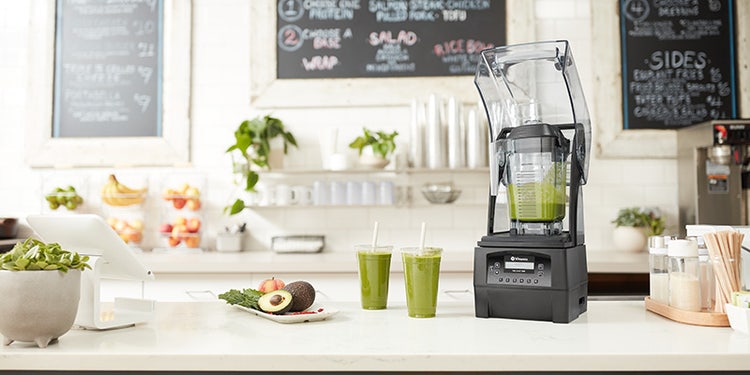
How to open a smoothie shop step by step
The process of opening a smoothie shop starts well before equipment is installed or the first smoothie is served. Early planning should establish what the business will sell, whom it will serve, how it will operate, and what resources will be required to reach opening day.
Create a smoothie shop business plan
A smoothie shop business plan turns the concept into an operating and financial framework. It should define the shop’s positioning, target customers, menu direction, sales channels, competitive environment, staffing approach, marketing strategy, and financial assumptions.
The plan should also explain what will distinguish the concept within its market. That differentiation might come from the menu, convenience, customization, service model, location, customer experience, or a combination of factors.
Equipment planning belongs in this process as well. The anticipated menu and sales volume influence how many blending stations may be required, how much refrigeration and storage the operation needs, and how the preparation area should be organized. Thinking through these requirements before signing a lease or purchasing equipment can help identify operational constraints earlier.
Financial projections should account for both startup investment and recurring expenses. Operators can then use projected transaction volume, average ticket size, ingredient costs, labor, occupancy expenses, and other costs to evaluate whether the concept's assumptions are workable.
Estimate startup and operating costs
Startup costs vary considerably based on the location, business model, size of the space, buildout requirements, equipment package, and local regulatory requirements. Rather than relying on a single industry-wide figure, prospective operators should build a budget around their specific concept.
Potential startup expenses include lease deposits, renovations, commercial blenders, refrigeration, food-preparation equipment, sinks and sanitation equipment, storage, point-of-sale technology, signage, furniture, smallwares, serving supplies, initial inventory, licenses, permits, insurance, and opening marketing.
Operating costs require equal attention. Common recurring expenses include rent, utilities, labor, ingredients, packaging, cleaning supplies, payment-processing fees, maintenance, insurance, marketing, and replacement smallwares.
A contingency allowance can also help account for expenses that emerge during construction, permitting, installation, and the first months of operation. Maintaining sufficient working capital is important because sales may take time to reach projected levels after opening.
Choose a location and business model
The right location depends on the customers the smoothie shop intends to serve and how those customers are expected to purchase. A storefront in a high-traffic retail district has different requirements from a kiosk, food-hall counter, fitness-oriented location, or other compact service format.
Operators should evaluate visibility, accessibility, surrounding businesses, customer traffic patterns, rent, available utilities, parking where relevant, delivery access, and the physical space required for equipment and storage. The potential location should also be evaluated for whether it can support the necessary electrical, plumbing, refrigeration, ventilation, sanitation, and food-preparation requirements.
The business model influences equipment and workflow decisions. A shop centered on made-to-order beverages may prioritize rapid production at the blending station, while a concept with a broader food menu may need additional preparation and storage capacity. Takeout and delivery can also affect packaging, order staging, and point-of-sale requirements.
Obtain the necessary licenses and permits
Licensing and permitting requirements vary by jurisdiction, so operators should verify the rules that apply to their location and concept rather than relying on a generic checklist.
Requirements may involve business registration, foodservice permits, health department approval, food-handler or food-safety credentials, building approvals, signage, occupancy requirements, and other local or state obligations. The exact requirements depend on where and how the business operates.
These requirements should be investigated early. Permitting, inspections, construction, and equipment installation can affect the opening schedule, and the physical layout may need to satisfy specific food-safety or building requirements.
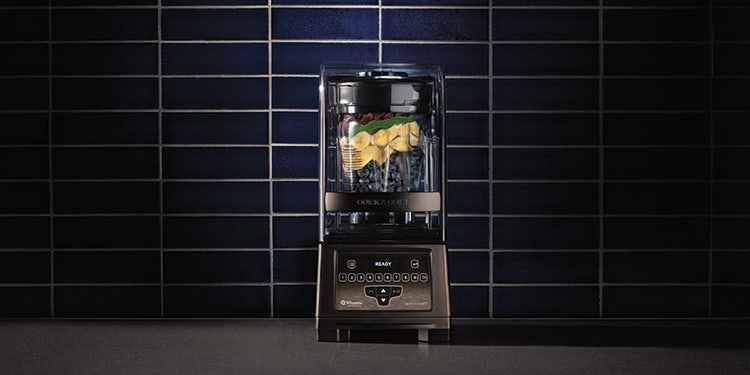
Essential equipment needed for a smoothie shop
A smoothie shop equipment list should reflect the actual menu and anticipated production volume. The goal is to create a connected system in which ingredients can move efficiently from storage through preparation, blending, and service.
Commercial blenders
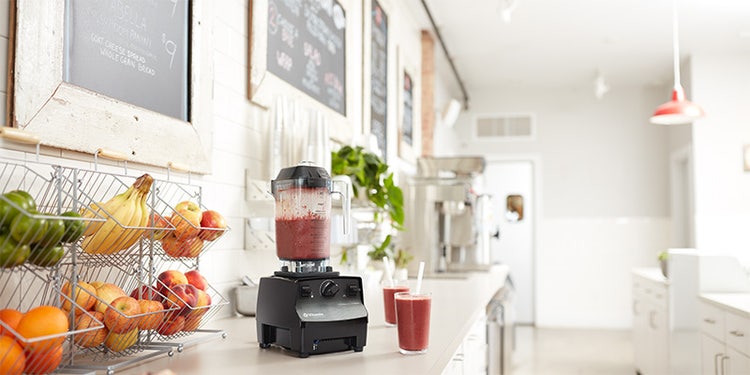
Commercial blenders are central to smoothie production. Unlike equipment intended primarily for occasional household use, commercial blending equipment should be selected for the demands of a foodservice environment.
Operators should consider expected order volume, recipe types, desired beverage consistency, cleaning procedures, available counter space, and the number of blending stations required during peak periods. The blender should also fit naturally into the overall workflow so employees can move efficiently between ingredients, blending, finishing, and service.
Vitamix Commercial offers blending solutions designed for professional foodservice applications. Operators can review Vitamix Commercial products when evaluating equipment for their concept.
Refrigeration and ingredient storage
Smoothie shops commonly handle refrigerated and frozen ingredients alongside shelf-stable products. Appropriate storage helps maintain ingredient quality, supports food-safety practices, and makes production more efficient.
Refrigeration requirements should be planned according to the menu and delivery schedule. Operators may need cold storage for produce, dairy or dairy alternatives, juices, prepared ingredients, and other perishable products, as well as freezer capacity for frozen ingredients.
Storage placement matters too. High-use ingredients should be readily accessible to employees without creating congestion around the blending station. Dry ingredients, cups, lids, utensils, and other supplies need designated locations so employees can replenish the service area efficiently.
Food preparation and sanitation equipment
The exact preparation equipment depends on the menu. Cutting boards, knives, measuring tools, ingredient containers, scales, and other smallwares may be required to portion and prepare ingredients consistently.
Sanitation equipment is equally important. The facility needs to support applicable requirements for handwashing, warewashing, surface cleaning, and food-safe ingredient handling. Cleaning tools and chemicals should have designated storage and procedures that reduce the risk of cross-contamination.
Preparation and sanitation should be considered during layout planning rather than added after the primary equipment has been positioned. Employees need enough space to prepare ingredients, clean equipment, wash hands, and move between work areas safely and efficiently.
Point-of-sale and serving supplies
The point-of-sale system connects ordering with production and payment. The appropriate setup depends on whether customers order at a counter, kiosk, online, through delivery channels, or through a combination of methods.
The system should make it straightforward to enter sizes, substitutions, add-ons, and other menu customizations. Clear communication between ordering and production becomes increasingly important during busy periods.
Serving supplies can include cups, lids, straws or other utensils where appropriate, napkins, carriers, labels, and takeout packaging. Operators should consider cost, storage space, durability, presentation, and compatibility with the beverages and sales channels they plan to offer.
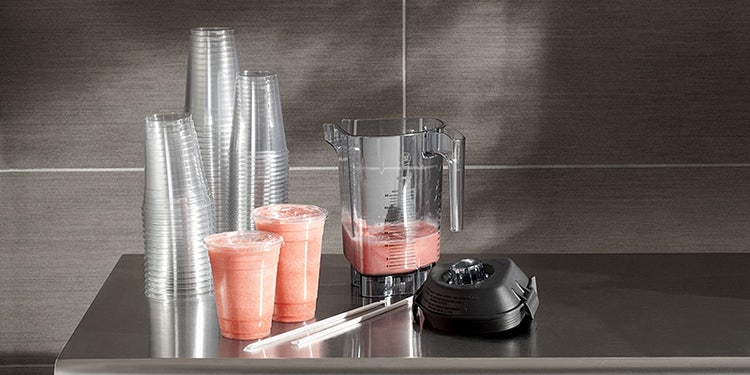
How to choose a commercial blender
Choosing a commercial blender requires evaluating how the equipment will perform within the actual operation. Expected volume is important, but operators should also consider beverage quality, consistency, sound, cleaning, maintenance, and durability.
Blending volume and speed
Start by estimating peak demand rather than relying only on average daily sales. A shop may experience concentrated rushes before work, around lunch, after school, after workouts, or at other times dictated by its customer base.
The blending setup should support those periods without creating an unnecessary bottleneck. This involves considering both individual blend cycles and the broader workflow, including loading ingredients, blending, pouring, finishing, cleaning, and preparing for the next order.
The number of blenders needed therefore depends on projected peak volume, menu complexity, staffing, and service expectations. Some operations may also benefit from multiple blending stations to provide additional production capacity or workflow flexibility.
Beverage quality and consistency
Customers generally expect the smoothie they order today to resemble the one they received on their previous visit. Equipment plays a role in delivering that consistency, but standardized recipes and employee procedures are equally important.
Operators should evaluate blending equipment using the actual types of recipes they expect to serve. Different combinations of frozen ingredients, fresh produce, liquids, powders, and other components can create different blending demands.
Consistent results can also support cost control. When recipes, portions, blending procedures, and finished beverages are standardized, employees have clearer expectations for how each menu item should be produced.
Noise reduction
Blender noise can influence the customer and employee experience, particularly when blending stations are close to the ordering counter, seating area, or other customer-facing spaces.
The importance of noise management depends on the concept. A compact shop in which customers stand close to the blending station may have different needs from an operation with greater separation between production and service areas.
Operators concerned about sound should consider it during equipment selection and layout planning. The goal is to support production while maintaining an environment appropriate for the intended customer experience.
Cleaning, maintenance, and durability
Cleaning is a recurring part of smoothie production, making ease of cleaning an operational consideration rather than a minor equipment feature. Employees need practical procedures for cleaning between uses where necessary and completing more thorough sanitation according to the operation's food-safety practices.
Operators should evaluate how containers and other relevant components are handled, cleaned, inspected, and replaced. Equipment placement should provide employees with convenient access to appropriate cleaning facilities.
Maintenance requirements and durability also affect long-term ownership. Commercial equipment should be evaluated based on its suitability for the expected operating environment, along with the manufacturer's applicable care and maintenance guidance.

How to plan a profitable smoothie menu
A profitable smoothie menu balances customer appeal with operational practicality and disciplined cost management. Every additional ingredient, recipe, size, and customization has implications for purchasing, storage, preparation, employee training, speed of service, and food waste.
Choose your core smoothie categories
Core categories make the menu easier for customers to navigate and help operators organize recipe development. Categories might reflect flavor profiles, ingredient combinations, customer preferences, or other distinctions relevant to the concept.
The menu should be broad enough to provide meaningful choice without creating unnecessary complexity. A tightly planned assortment can allow ingredients to work across multiple recipes, which may simplify inventory management and reduce the number of low-use items held in storage.
Operators can expand the menu over time based on actual sales data and customer demand rather than trying to anticipate every preference before opening.
Standardize recipes and portion sizes
Every core menu item should have a standardized recipe. Employees need clear quantities, ingredient order, portion sizes, blending procedures, and serving specifications.
Standardization supports several business objectives at once. It makes employee training easier, improves consistency between shifts, provides more reliable ingredient usage data, and allows operators to calculate recipe costs with greater confidence.
Portion control is particularly important. Small variations repeated across hundreds or thousands of orders can affect ingredient consumption and costs. Appropriate measuring and portioning procedures help employees reproduce recipes more accurately.
Offer profitable add-ons and customizations
Customizations can give customers more control over their orders while creating opportunities to increase the average transaction value. Depending on the concept, options might include ingredients or other additions that complement the core menu.
However, every add-on introduces operational considerations. It needs to be purchased, stored, portioned, entered correctly at the point of sale, communicated to the production employee, and incorporated consistently into the recipe.
Operators should therefore select customizations deliberately. Options that work across multiple menu items and fit existing storage and preparation processes can be easier to manage than a long list of specialized ingredients.
Calculate costs and set menu prices
Menu pricing should begin with an accurate understanding of recipe costs. Operators can calculate the cost of each ingredient portion used in a smoothie and add the relevant serving and packaging costs to establish a consistent baseline.
Pricing decisions should then account for the broader economics of the business, including labor, occupancy, utilities, payment processing, maintenance, waste, marketing, and other operating expenses. Competitive conditions and customers' willingness to pay also influence final prices.
Ingredient costs can change after opening, so menu costing should be an ongoing process. Reviewing supplier prices, portion usage, waste, sales mix, and margins can help operators identify recipes or practices that require adjustment.
Set up efficient smoothie shop operations
A well-designed operation helps employees turn orders into finished beverages accurately and efficiently. Workflow, inventory practices, and training should be established before opening and refined as real-world demand patterns become clear.
Design an efficient blending workflow
An efficient workflow minimizes unnecessary movement. Ideally, employees should be able to retrieve frequently used ingredients, measure or portion them, blend the beverage, finish the order, and move to the next customer without repeatedly crossing the workspace.
Equipment placement should reflect the sequence of work. Refrigerated and frozen ingredients, dry ingredients, commercial blenders, preparation surfaces, cleaning areas, serving supplies, and order staging should be positioned with production flow in mind.
Peak periods are the best test of a layout. Operators should consider what happens when several orders arrive simultaneously, employees need the same ingredients, used blending containers require attention, and completed beverages need to reach customers without confusion.
Manage ingredients and reduce food waste
Inventory management affects both food quality and profitability. Operators need procedures for receiving deliveries, storing ingredients correctly, rotating inventory, monitoring quantities, and identifying products approaching the end of their usable life.
Sales data can help refine purchasing as the business develops a clearer picture of demand. Ordering too little can lead to unavailable menu items, while ordering too much can increase waste.
Menu design can also support inventory efficiency. Using key ingredients across multiple recipes can make demand more predictable and reduce reliance on specialized items with limited applications.
Train employees for speed and consistency
Training should give employees a repeatable process for preparing each menu item. Standard recipes, portioning procedures, ingredient sequencing, equipment operation, cleaning practices, order accuracy, and customer service should all be addressed.
Speed should develop from familiarity and efficient procedures rather than shortcuts that undermine recipe consistency or proper sanitation practices. Clear workstations and standardized processes reduce the number of decisions employees need to make for each order.
Training should continue after opening. Managers can observe production during peak periods, identify recurring bottlenecks or inconsistencies, and reinforce procedures as the menu and team evolve.
Market and launch your smoothie shop
A launch plan should begin before opening day. Early marketing can introduce the concept, build local awareness, and create an initial audience, while a controlled opening period gives the team an opportunity to test operations.
Build awareness before opening
Pre-opening marketing should explain what the smoothie shop offers, where it is located, and when customers can expect it to open. A website, business listings, social channels, exterior signage, email marketing, and community outreach can all contribute depending on the concept and market.
Local partnerships may also help introduce the business to relevant customers. The most appropriate relationships depend on the shop's positioning and surrounding community.
Pre-opening communication should be specific and useful. Menu previews, opening updates, location information, operating hours, and clear descriptions of the concept give prospective customers practical reasons to follow the business.
Plan a soft opening
A soft opening allows the team to operate under real service conditions before a larger launch. It can reveal issues that are difficult to identify during training alone, such as ordering bottlenecks, unclear responsibilities, ingredient placement problems, unexpected preparation demands, or point-of-sale complications.
Operators can use this period to observe ticket flow, blending capacity, recipe execution, cleaning routines, and customer interactions. The objective is to identify problems and make practical adjustments before demand increases.
A soft opening can also provide early customer feedback on menu clarity, service, beverage consistency, and the overall experience.
Encourage customer loyalty
Repeat customers can provide an important base of ongoing demand. Consistent beverages, accurate orders, efficient service, and a positive customer experience establish the foundation for loyalty.
Depending on the business model, operators may also use loyalty programs, email or mobile communications, promotions, or other retention tools. These efforts work best when they complement a reliable core experience.
Customer feedback and sales data can provide useful direction after launch. Operators can monitor popular recipes, common customizations, slower-selling products, peak ordering periods, and recurring feedback to make informed adjustments.
Start your smoothie shop with the right equipment
Opening a smoothie shop involves a series of connected decisions. The business plan establishes the financial and operational model. The menu determines ingredients and preparation requirements. Equipment affects production capacity and workflow. Standardized recipes, inventory controls, and employee training help translate those plans into consistent day-to-day execution.
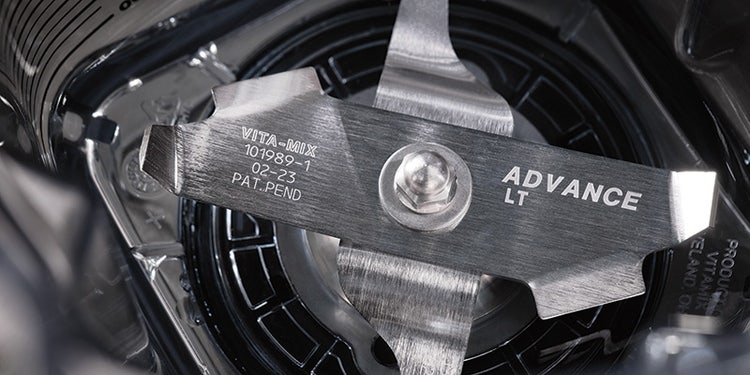
Commercial blenders are a particularly important part of that system because they sit at the center of smoothie production. Operators should select blending equipment according to their menu, expected volume, workflow, customer environment, and operational requirements rather than treating every shop as having the same needs.
Explore Vitamix Commercial blending equipment for beverage applications to evaluate options for your smoothie shop.
Frequently asked questions about opening a smoothie shop
How much does it cost to open a smoothie shop?
There is no single startup cost that applies to every smoothie shop. The total depends on factors including location, lease terms, size, construction and buildout requirements, equipment, refrigeration, furniture, technology, permits, initial inventory, and working capital.
A useful estimate should therefore be based on quotes and requirements for the specific concept and location. Operators should account for both one-time opening expenses and enough capital to cover ongoing costs while the business establishes its customer base.
What equipment is needed for a smoothie shop?
Typical equipment needs include commercial blenders, refrigeration and freezer capacity appropriate to the menu, ingredient storage, preparation surfaces and smallwares, sanitation equipment, a point-of-sale system, and serving supplies.
The final equipment list should be developed around the menu, expected sales volume, available space, local requirements, and workflow. A shop offering food in addition to smoothies may require substantially different preparation equipment from a beverage-focused concept.
Do you need a commercial blender for a smoothie shop?
A smoothie shop should evaluate blending equipment designed for the demands of its commercial environment. Made-to-order beverage operations may require frequent blending during concentrated periods, consistent execution across employees, repeatable cleaning procedures, and equipment suited to the intended application.
Operators should choose equipment based on expected volume, recipes, workflow, maintenance needs, customer environment, and the manufacturer's guidance for commercial use.
How many blenders does a smoothie shop need?
The appropriate number of blenders depends on peak order volume, recipe complexity, operating hours, staffing, service expectations, and the production capacity of the selected equipment.
Rather than estimating from daily sales alone, operators should model their busiest periods. Consider how many beverages may need to be produced within a short window and how ingredient loading, blending, pouring, cleaning, and order handoff affect total production time. This provides a more useful basis for planning the number and arrangement of blending stations.
Is owning a smoothie shop profitable?
A smoothie shop can only be evaluated for profitability in the context of its specific economics. Sales volume and menu prices need to support ingredient costs, labor, rent, utilities, packaging, payment processing, maintenance, marketing, waste, and other expenses.
Operators can improve their ability to manage profitability by accurately costing recipes, standardizing portions, monitoring waste, reviewing the sales mix, controlling inventory, and designing efficient workflows. A detailed business plan and ongoing financial review are therefore essential parts of assessing and managing a smoothie shop's financial performance.