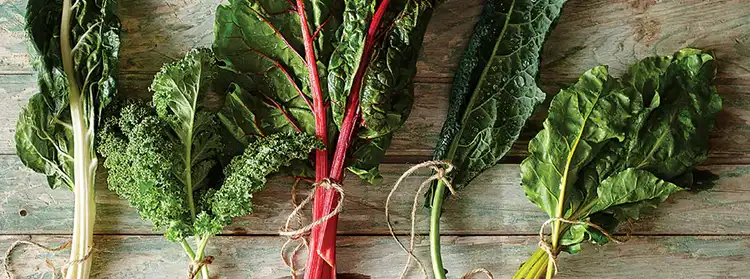
5 conseils simples pour une cuisine plus durable
Nous sommes nombreux à vouloir vivre une vie plus saine et plus écologique, mais nous ne savons pas par où commencer. Adopter des pratiques de consommation durable est un moyen d'intégrer à la fois des habitudes saines et écologiques à son quotidien.
Pour vivre véritablement de manière durable, nous devons adopter des pratiques qui favorisent la régénération, la réutilisation et le renouvellement de nos ressources, tant dans notre façon de manger que dans ce que nous mangeons.
Vous trouverez ci-dessous des conseils, des recettes et des ressources d'experts pour comprendre ce que signifie manger durablement et comment intégrer dès maintenant des pratiques de consommation durables à votre quotidien. Cet été sera sous le signe de l'alimentation durable !
- Privilégiez une alimentation végétale – Vivre de manière durable ne signifie pas nécessairement être végétarien ou végétalien. Remplacer les aliments transformés par des végétaux renouvelables, autant que possible, contribue à un écosystème sain. Au lieu d'un hamburger 100 % bœuf, essayez un hamburger composé d'une partie de bœuf et d'une partie de champignons riches en nutriments (les champignons de Paris ou les champignons bruns sont parfaits). Adoptez le « lundi sans viande » et supprimez la viande un jour par semaine. Essayez le burger végétarien aux courgettes ou le pain de viande végétarien de Vitamix.
- Privilégiez les produits locaux – L'un des principaux problèmes de la production alimentaire est l'impact environnemental des aliments transportés sur de longues distances. Pour réduire l'impact de la production et du transport, optez pour les marchés de producteurs locaux (fréquents en été et en automne), les supermarchés qui s'approvisionnent localement ou les AMAP (Associations pour le Maintien d'une Agriculture Paysanne) de votre région.
- Utiliser les aliments entiers – Selon la FAO (Organisation des Nations Unies pour l'alimentation et l'agriculture), environ un tiers des aliments produits dans le monde pour la consommation humaine sont gaspillés, et les fruits et légumes sont les plus touchés par ce gaspillage. Pourtant, il existe de nombreuses façons de valoriser les aliments. Pensez à conserver les pelures, les zestes et les restants de légumes comme les courges d'été ou les courgettes pour les mélanger dans votre robot culinaire et préparer une soupe consistante, ou utilisez les fanes de carottes pour faire un pesto. Transformez les fruits et légumes en fin de vie ou « laids » en smoothies pour un déjeuner rapide et facile.
- Tirez le meilleur parti de vos déchets ! Malgré tous nos efforts, certains aliments sont parfois irrécupérables. Dans ce cas, compostez les restants alimentaires qui seraient normalement jetés, comme le marc de café, les pelures de banane, les coquilles d'œufs, les épluchures et les pelures de fruits et légumes. Votre robot Vitamix peut accélérer le processus en broyant ces déchets avant de les ajouter au compost. Utilisez ensuite le compost dans votre jardin pour favoriser la croissance de vos fruits, légumes et herbes aromatiques. Vous ne savez pas par où commencer ? Consultez notre guide de compostage pour débutants.
- Pratiquez la pleine conscience – Envie d'aller plus loin dans votre consommation durable ? Essayez de vous déplacer à vélo ou en transport en commun pour vous rendre au marché afin de réduire votre empreinte écologique, privilégiez les produits frais aux produits emballés et apportez toujours vos sacs réutilisables.
Le changement ne se fera pas du jour au lendemain, mais toute pratique durable que vous pourrez adopter, même minime, contribuera à la protection de votre communauté et de la planète. Si vous souhaitez découvrir comment consommer de manière plus responsable, consultez le site du ministère de l'Agriculture des États-Unis pour trouver les marchés de producteurs locaux près de chez vous.
Vous voulez recevoir régulièrement des articles de ce genre ? Inscrivez-vous à notre infolettre par e-mail.